02 Nov How to Prepare for an Ultrasound?
Most people show up for an ultrasound with one question: did I prepare the right way? It’s a fair worry. Ultrasound is one of the easiest imaging exams you can have, but a few types do need some prep, and getting it wrong is the most common reason a scan gets rescheduled.
The good news is that the rules are simple once you know which ultrasound you’re having. Here’s what to expect, start to finish.
What Is an Ultrasound?
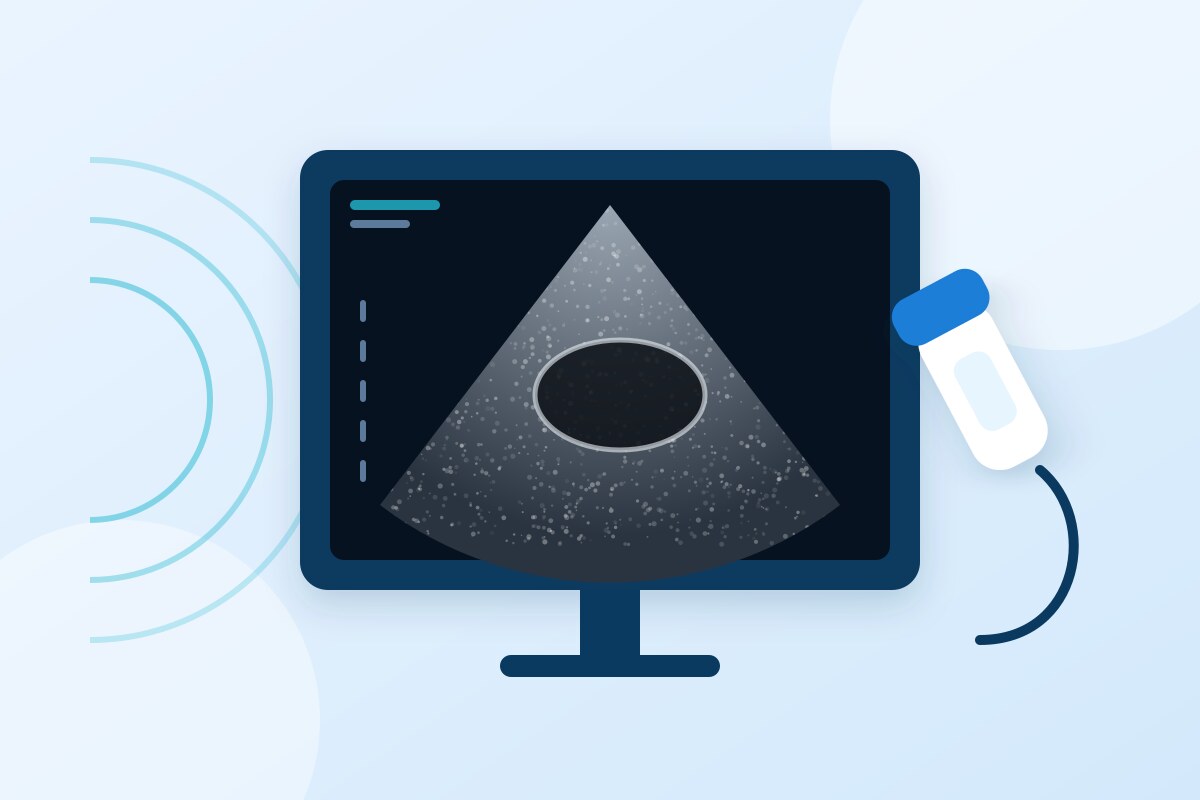
An ultrasound uses high-frequency sound waves to create live pictures of the inside of your body. A small handheld device called a transducer sends the sound waves in and picks up the echoes that bounce back. A computer turns those echoes into an image on the screen.
There’s no radiation involved. That’s one reason ultrasound is the go-to exam during pregnancy, and why doctors often order it first before moving on to CT or MRI.
What Can an Ultrasound Check?
Ultrasound is great at looking at soft tissue and fluid-filled structures. Your doctor might order one to look at:
- Abdomen: liver, gallbladder, pancreas, spleen and kidneys (gallstones are a common reason)
- Pelvis: uterus, ovaries, bladder or prostate
- Thyroid and neck: nodules or swollen lymph nodes
- Breast: often used alongside a mammogram, especially for dense breast tissue
- Blood vessels: a vascular or Doppler ultrasound checks blood flow and can look for clots in the legs
- Lumps and bumps: cysts or swelling under the skin
It isn’t the best tool for everything. Sound waves don’t travel well through bone or air, so lungs and the inside of bones are usually imaged another way. If you’re curious how the other options compare, our post on CT scan vs. MRI breaks it down.
How to Prepare for Your Ultrasound
Prep depends entirely on the body part being scanned. Always follow the instructions your doctor or our scheduling team gives you, since they can vary slightly. In general:
Abdominal ultrasound: come in with an empty stomach. You’ll usually be asked not to eat for about 6 to 8 hours beforehand. Food makes your gallbladder contract and fills your bowel with gas, and both make the organs harder to see. Many people book a morning appointment so they can simply skip breakfast. Small sips of water to take your regular medications are usually fine.
Pelvic ultrasound: come in with a full bladder. A full bladder pushes the bowel out of the way and gives the sound waves a clear window to your pelvic organs. A common instruction is to finish about 32 ounces of water roughly an hour before your appointment, and not to use the restroom until the scan is done. Yes, it’s uncomfortable. It’s also why the images come out clear.
Transvaginal ultrasound: empty bladder. If your pelvic exam includes a transvaginal scan, you’ll be asked to empty your bladder before that part. Sometimes both are done in one visit, full bladder first, then a restroom break.
Thyroid, breast, vascular, testicular and soft tissue scans: usually no prep. Eat, drink and take your medications as normal.
One more tip: wear something comfortable and easy to move. A two-piece outfit is easier than a dress, because you may only need to uncover the area being scanned.
What Happens During the Scan?
You’ll lie on an exam table, usually on your back. The sonographer (the technologist trained to perform ultrasound) puts a clear water-based gel on your skin. The gel helps the sound waves move between the transducer and your body, so it’s a little cold but completely harmless.
Then they’ll press the transducer against your skin and move it around. You might be asked to hold your breath for a few seconds or roll onto your side. If you hear whooshing sounds during a vascular exam, that’s just the machine picking up blood flow.
Most scans take about 15 to 45 minutes. It’s painless for most people. The only real discomfort is some pressure, which is more noticeable with a full bladder.
When it’s done, you wipe off the gel and go back to your day. No recovery time, no driver needed.
When Will You Get Your Results?
The sonographer captures the images, but they don’t give a diagnosis. A board-certified radiologist reviews your study and writes a report, which is sent to the doctor who ordered your exam. Your doctor will then go over the findings with you and talk about next steps.
If your doctor needs more detail after an ultrasound, the next step is sometimes an MRI. Our guide on what to expect during an MRI can help you get ready for that too.
Ultrasound in Glendale, Open 7 Days a Week
Broadway Imaging Center offers ultrasound along with Open MRI, CT, digital X-ray, DEXA and digital mammography, all under one roof at 140 N Glendale Ave. We’re open Monday through Friday 7 AM to 10 PM, Saturday 7 AM to 9 PM, and Sunday 7 AM to 8 PM, so you can fit your scan around work and family.
Have a question about your prep? Call us at (818) 548-0022 and we’ll walk you through it before your appointment.
Frequently Asked Questions
Can I drink water before an abdominal ultrasound? Small sips to take medication are usually fine. Check your instructions, because some exams ask for nothing by mouth at all.
What happens if I don’t have a full bladder for my pelvic ultrasound? The images may not be clear enough. You might be asked to drink more water and wait, or reschedule.
Is ultrasound safe during pregnancy? Yes. Ultrasound uses sound waves, not radiation, which is why it’s the standard imaging test during pregnancy.
How long does an ultrasound take? Most exams take 15 to 45 minutes, depending on the area being scanned.
Do I need a doctor’s order for an ultrasound? In most cases, yes. Bring your order with you, or call us and we’ll tell you what we need.
Sorry, the comment form is closed at this time.