10 Oct What to Expect During an MRI: Preparation, Procedure, and Results
If your doctor has recommended an MRI, you may have questions about how the test works, how to prepare, and what happens during the appointment. Understanding the process ahead of time can help you feel more comfortable and confident.
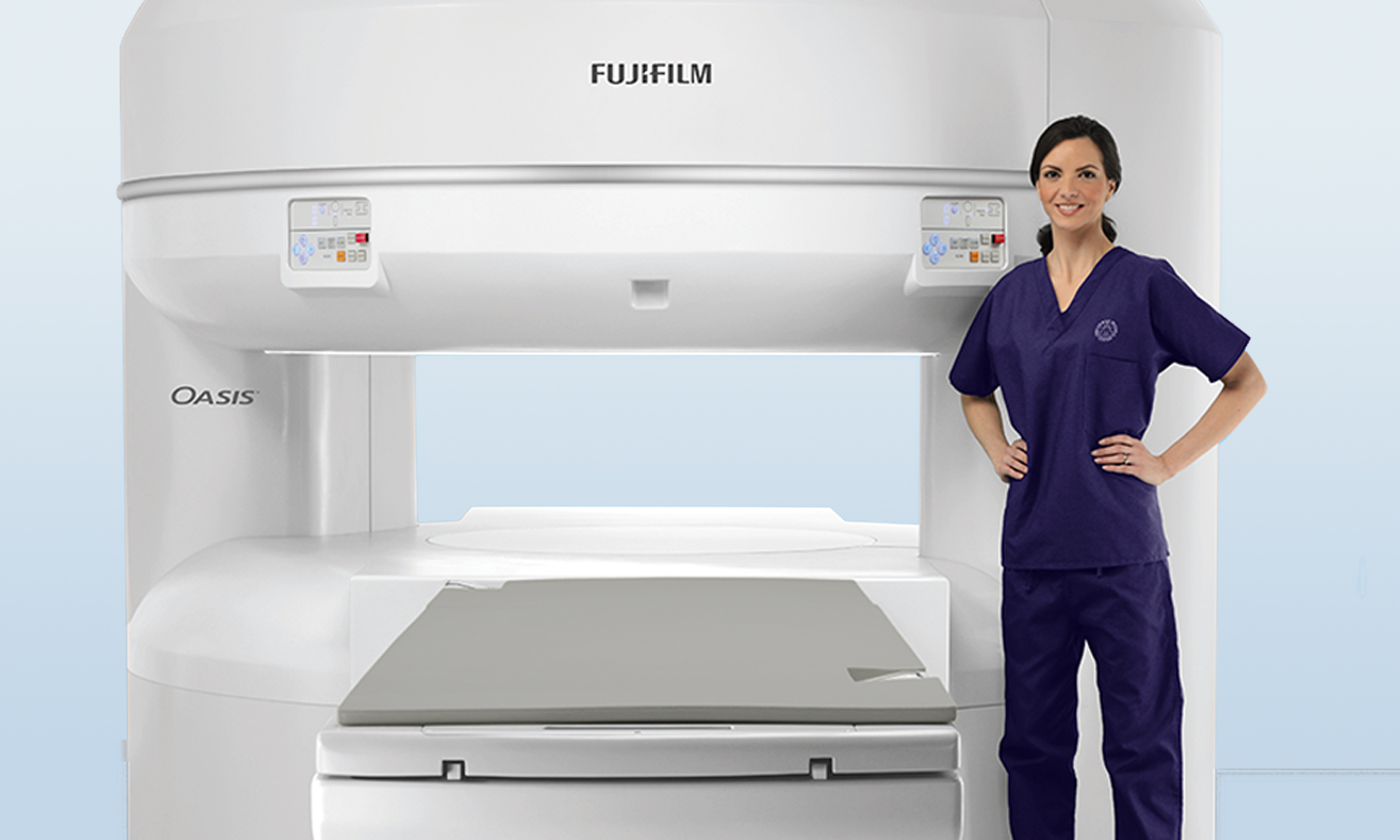
At Broadway Imaging Center in Glendale, CA, patients can access Open MRI technology designed to provide detailed diagnostic images in a more open scanning environment. Whether you are preparing for your first MRI or returning for a follow-up examination, knowing what to expect can make the experience easier.
In this guide, we explain how MRI scans work, what to do before your appointment, what happens during the procedure, and how you receive your results.
What Is an MRI?
Magnetic Resonance Imaging (MRI) is a medical imaging procedure that uses a strong magnetic field, radio waves, and computer technology to create detailed images of structures inside the body.
Unlike X-rays and CT scans, MRI does not use ionizing radiation. Doctors may recommend an MRI to evaluate injuries, investigate symptoms, examine soft tissues, or gather additional information about certain medical conditions.
Depending on your doctor’s recommendation, an MRI may be used to examine areas such as:
The brain and head
The spine and neck
The shoulders and knees
The hips and other joints
Muscles and soft tissues
Other areas requiring detailed diagnostic imaging
The type of MRI you need depends on your symptoms, medical history, and physician’s assessment.
How Should You Prepare for an MRI?
Preparing for an MRI is generally straightforward, but the exact instructions depend on the body part being examined and whether contrast material will be used.
1. Follow Your Exam-Specific Instructions
Some MRI examinations require no special dietary preparation, while others may require you to avoid eating or drinking for a specified period. Do not assume that the same preparation instructions apply to every MRI.
Before your appointment, review the instructions provided by your imaging center. If anything is unclear, contact the facility before your scheduled examination.
For detailed instructions, visit the Broadway Imaging Center Procedure Preparation page.
2. Tell the Imaging Team About Implants and Metal
MRI machines use powerful magnets, so safety screening is an essential part of the appointment.
Before your examination, inform the imaging team if you have any of the following:
A pacemaker or implanted electronic device
Surgical implants or metal hardware
A cochlear implant or other medical device
Metal fragments in your body, including possible fragments near your eyes
A history of surgery that may have involved implanted materials
Some implants are compatible with MRI under specific conditions, while others may require additional evaluation. The imaging team must verify your safety before proceeding.
Also tell your healthcare provider and imaging team if you are pregnant or think you may be pregnant.
3. Choose Comfortable Clothing
You may be asked to change into a medical gown before the examination. Leave jewelry and other unnecessary metal accessories at home when possible.
Depending on your examination, you may need to remove items such as watches, hairpins, eyeglasses, hearing aids, and clothing with metal zippers or fasteners.
Follow the technologist’s instructions about which items must be removed before entering the MRI room.
4. Bring Your Appointment Information
To help your visit go smoothly, check whether you need to bring:
A valid photo ID
Your insurance card
Your doctor’s MRI order or referral, if required
Insurance authorization, if applicable
Previous imaging reports or records, if requested
Arrive according to the instructions provided when you schedule your appointment.
What Happens During an MRI Scan?
Knowing what happens during the procedure can help reduce uncertainty, especially if you have never had an MRI before.
Step 1: Safety Screening
Before the scan begins, the imaging team will review your medical history and ask questions about implants, metal exposure, and other relevant safety concerns.
Be sure to answer these questions accurately and mention anything you are unsure about.
Step 2: Positioning for the Examination
The technologist will help you lie on a padded examination table and position the part of your body being scanned.
Depending on the examination, additional supports or imaging equipment may be placed near the area being examined. Proper positioning helps obtain clear images.
Step 3: The MRI Scan Begins
The table is positioned within the MRI system so the necessary images can be captured.
During the examination, the machine produces a series of tapping, clicking, or thumping sounds. These noises are a normal part of the imaging process.
You will need to remain as still as possible while the images are taken. Movement can blur the images and may require additional scanning.
The technologist monitors the examination and communicates with you according to the facility’s procedures.
Step 4: Additional Images or Contrast, If Needed
Some MRI examinations require contrast material to help make certain structures or abnormalities easier to evaluate. When needed, the contrast agent is typically administered through an IV.
Not every MRI requires contrast. Your physician and imaging team will determine the appropriate examination and preparation requirements.
Step 5: The Examination Is Completed
Once the necessary images have been acquired, the technologist will help you finish the appointment.
Many MRI examinations take approximately 20 to 60 minutes, although the duration varies depending on the body area and imaging protocol. Your imaging team can provide a more specific estimate for your examination.
What Is an Open MRI?
Some patients feel anxious about traditional MRI scanners because of the enclosed space. An Open MRI offers a more open scanning environment that may be more comfortable for people who experience claustrophobia or feel uneasy in confined spaces.
At Broadway Imaging Center, our Open MRI system features 1.2 Tesla technology and approximately 270 degrees of unobstructed open space.
Potential benefits include:
A more open visual environment during the examination
An option to discuss if you feel uncomfortable in enclosed spaces
Detailed diagnostic imaging for appropriate examinations
MRI imaging without ionizing radiation
An Open MRI is not appropriate for every type of examination, so your physician and imaging team can help determine whether it meets your diagnostic needs.
Learn more about Open MRI in Glendale, CA.
Is an MRI Painful?
An MRI scan is generally painless. You may experience some discomfort from lying in one position for an extended period, and the machine’s sounds may be unfamiliar.
If you feel anxious about the procedure, let the imaging team know before the scan begins. If you have experienced claustrophobia during a previous MRI, mention this when scheduling your appointment so you can discuss appropriate options.
If your physician prescribes medication to help with anxiety, follow the prescribed instructions and arrange transportation if required.
How Long Does It Take to Get MRI Results?
After your scan, a radiologist reviews the images and prepares a report for your referring healthcare provider.
The time needed to complete this process varies depending on the examination and the facility’s workflow. Your doctor will discuss the findings with you and explain what they mean in relation to your symptoms or medical condition.
If you have questions about when your results will be available, ask the imaging center or your referring physician.
Why Choose Broadway Imaging Center for an MRI in Glendale, CA?
Choosing an imaging center involves more than finding a convenient appointment. You also want to understand the equipment, preparation requirements, and steps involved in your examination.
Broadway Imaging Center provides Open MRI services in Glendale, California, with a focus on patient comfort and clear communication.
Patients can benefit from:
Open MRI technology: A more open scanning environment for eligible examinations.
Patient preparation guidance: Instructions to help you understand what to do before your appointment.
Convenient Glendale location: Located near central Glendale and serving surrounding communities.
A range of diagnostic imaging services: Patients can ask about available imaging options based on their physician’s order.
If your doctor has recommended an MRI, contact Broadway Imaging Center to discuss scheduling, preparation, and whether Open MRI is suitable for your examination.
Frequently Asked Questions About MRI Scans
Do I need to fast before an MRI?
Not always. Preparation depends on the type of MRI and whether contrast material or other special procedures are involved. Follow the specific instructions provided by your imaging center.
Can I have an MRI if I have metal in my body?
Possibly, but you must tell the imaging team before the examination. Some implants and metal objects require additional screening or may make an MRI unsafe. The team must verify compatibility before proceeding.
Does an MRI use radiation?
No. MRI uses a magnetic field and radio waves rather than ionizing radiation used in X-rays and CT scans.
Can an Open MRI help with claustrophobia?
An Open MRI may feel more comfortable for people who are anxious in enclosed spaces because it offers a more open visual environment. However, individual experiences vary, and not every MRI examination can be performed using an open system.
How long does an MRI take?
Many examinations take approximately 20 to 60 minutes, but the actual time depends on the area being scanned and the specific imaging protocol.
What should I do after my MRI?
Most patients can return to their usual activities after an MRI if they have not received sedation or other instructions requiring additional precautions. If you received contrast or sedation, follow the instructions provided by your healthcare team.
Schedule an Open MRI in Glendale, CA
Preparing for an MRI does not have to be complicated. Understanding the procedure, following your preparation instructions, and communicating your concerns can help you feel more comfortable before your appointment.
If your physician has recommended an MRI, Broadway Imaging Center can help you learn more about Open MRI services and the steps involved in scheduling your examination.
Broadway Imaging Center
140 N Glendale Ave
Glendale, CA 91206
Phone: 818-548-0022
Learn more about our Open MRI services or review our Procedure Preparation Guide before your appointment.
Medical disclaimer: This article provides general educational information and is not a substitute for medical advice. Always follow the instructions provided by your physician and imaging center.
Sorry, the comment form is closed at this time.